


Stamp Duty Valuation Western Sydney: The Hidden Risks of Selling Below Market Value
Introduction
If you’re selling a Western Sydney property to a family member, transferring your share of a jointly-owned place, or doing an off-market deal for less than it’s really worth, there’s a good chance you’ll need more than a signed contract. Revenue NSW doesn’t simply accept whatever price two parties agree on — and when that price sits below what the property would fetch on the open market, skipping a proper stamp duty valuation can end up costing far more than the valuation itself would have.
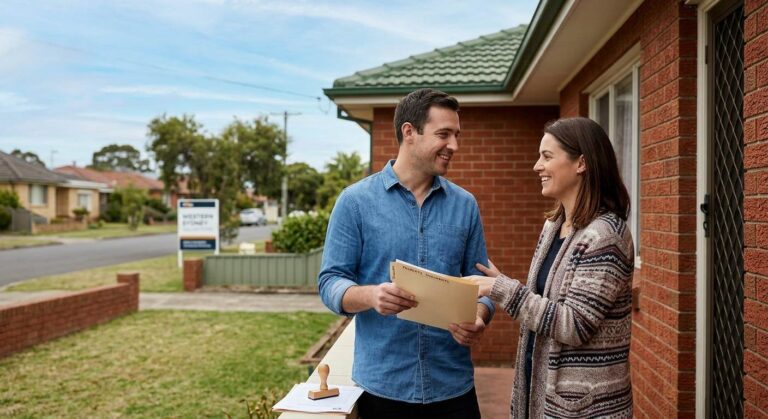
This comes up constantly across Western Sydney, where family transfers between parents and adult children in growth corridors like Penrith, Blacktown and Liverpool are common, as are siblings buying each other out of an inherited home. This article walks through when a formal valuation is required, why property valuations are required for different situations, what happens if you don’t get one, and how to avoid a nasty surprise from Revenue NSW months or years down the track.
Summary
When a property changes hands for less than its market value — most often in family transfers, related-party sales, or off-market deals — Revenue NSW calculates transfer duty (stamp duty) on whichever figure is higher: the price actually paid, or the property’s genuine market value. Because of this, the sale price alone often isn’t enough to determine what’s owed.
This applies broadly, since transfer duty is payable by anyone buying or acquiring property in NSW, and it applies even when no formal contract of sale exists or no purchase price changes hands at all. For transfers between related parties, Revenue NSW typically expects an independent valuation to establish that market value figure, and a letter of appraisal from a real estate agent generally won’t be accepted in its place.
The key risks of skipping this step include: an amended duty assessment issued after settlement, interest and penalties on the shortfall, delays at lodgement while Revenue NSW queries the transaction, and disputes with the buyer over who’s liable for the extra duty. The practical takeaway is straightforward — if a sale isn’t happening at arm’s length and the price is below what the property is genuinely worth, get a proper valuation before you lodge, not after Revenue NSW asks for one.
What Triggers the Need for a Stamp Duty Valuation Western Sydney Transactions Often Require
Most standard property sales — a stranger buying your house at an agreed price through a real estate agent — don’t need a separate valuation for duty purposes. The contract price is accepted as the market value because it was tested in the open market.
The situation changes once a sale isn’t conducted at arm’s length. That includes:
- Transfers between family members (parent to child, between siblings, grandparent to grandchild)
- Sales to a related company, trust, or self-managed super fund
- Buying out a family member’s share of property can create valuation questions, especially where the agreed amount does not reflect the property’s true market value.
- Transfers as part of restructuring a family business or estate
- Any sale where the price was set for reasons other than genuine market negotiation
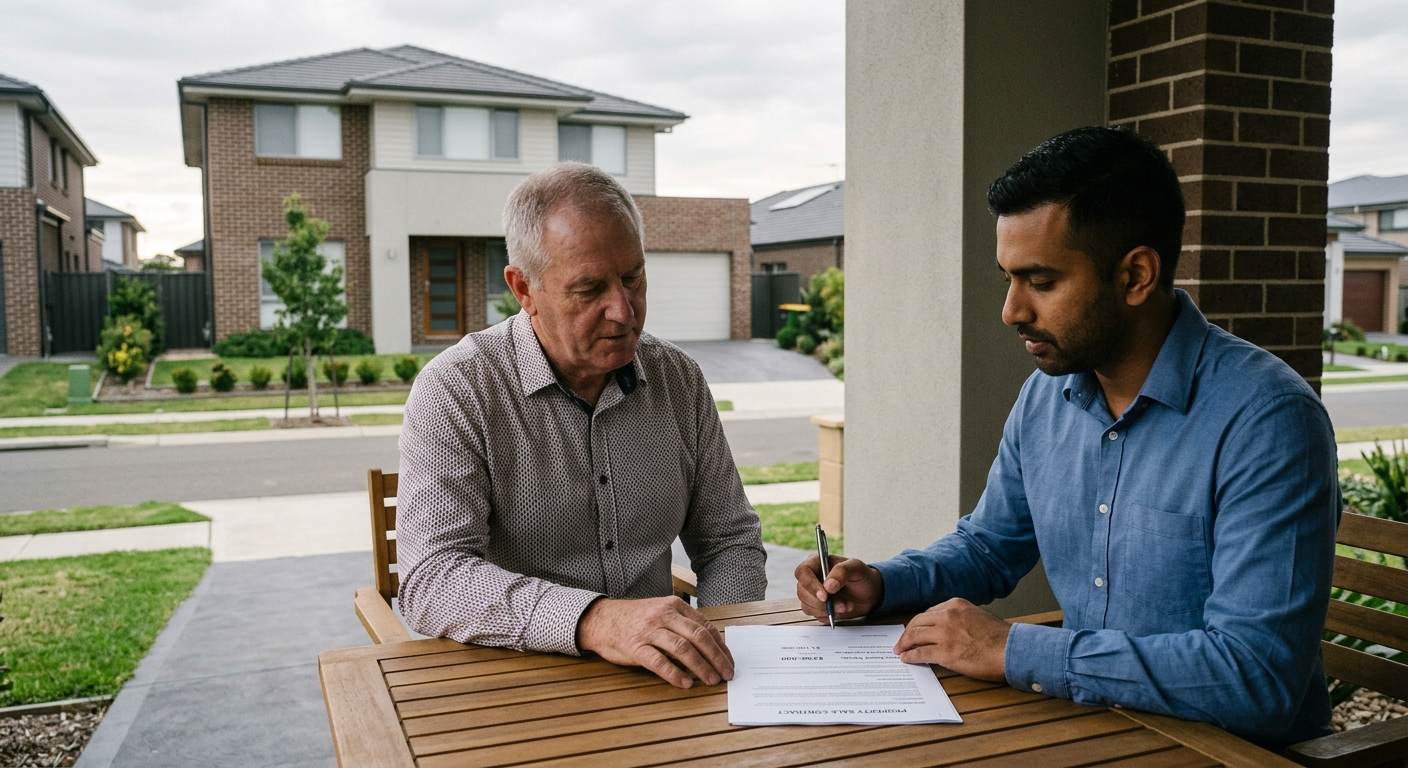
Revenue NSW calculates transfer duty on the dutiable value of the property, which is the higher of the purchase price actually paid and the property’s market value, and generally requires an independent valuation for transfers between related parties to establish that market value. In other words, agreeing on a “mates’ rates” price with your son or daughter doesn’t lower the duty bill — it just means Revenue NSW will want evidence of what the property was actually worth.
Why Selling Below Market Value Doesn’t Reduce Your Duty Bill
This is one of the most persistent misconceptions among Western Sydney property owners. Say a parent sells an investment property in Blacktown to their daughter for $500,000 as a way of helping her get into the market, but the property would genuinely fetch $650,000 if it were listed for sale. Because the transaction is between related parties, Revenue NSW is entitled to assess duty on the $650,000 market value, not the $500,000 the daughter actually paid.
That’s a significant difference in the duty payable — and it can catch families off guard, particularly when the transfer was structured around what the buyer could afford rather than what the property is worth. If the daughter has only budgeted for duty on $500,000, she may not have the funds ready when the higher assessment comes through.
What Happens If You Skip a Formal Valuation
Without a valuation from a qualified, independent valuer, a few things can happen — none of them ideal:
Revenue NSW queries the transaction.
Non-arm’s-length transfers are flagged during assessment, and if no valuation evidence is provided, settlement can be delayed while further information is requested.
They arrive at their own figure.
Revenue NSW may rely on other available evidence — such as council rating valuations, recent comparable sales, or the Valuer General’s figures — to estimate market value. These figures are often based on mass-appraisal methods and don’t reflect the specific condition, layout, or improvements of your particular property, so they can land higher than a proper valuation would.
You get an amended assessment later.
If the transaction is reviewed after settlement and found to be understated, Revenue NSW can issue a reassessment along with interest, and in some cases penalty tax, on the duty shortfall.
Disputes arise between the parties.
If the extra duty lands on the buyer unexpectedly, it can create real tension in what was meant to be a straightforward family arrangement.
Valuations submitted to Revenue NSW for stamp duty purposes should follow Revenue NSW evidence of value guidelines and include appropriate supporting information and reflect a full inspection of the property — brief appraisals, estimates of value, or letters that don’t demonstrate a proper inspection generally won’t be accepted. A valuer’s report also needs to be GST-inclusive and accompanied by a copy of the instructions given to the valuer, so it’s not a document you can put together casually or after the fact.
Formal Valuation vs Real Estate Agent Appraisal — Why the Difference Matters
It’s common for families to lean on a “market appraisal” from a local agent to set the sale price, particularly since it’s usually free. The problem is that an agent’s appraisal is an informal opinion, generally based on a handful of comparable listings and a walk-through, and it isn’t prepared to the evidentiary standard Revenue NSW expects.
A formal valuation for stamp duty purposes is prepared by a qualified, independent property valuer who inspects the property, analyses genuinely comparable sales, applies recognised valuation methodology, and produces a defensible written report with reasoning Revenue NSW can rely on. It’s a different exercise entirely from a friendly estimate designed to help you set an asking price.
Common Western Sydney Scenarios Where This Comes Up
- Parents helping adult children into the market in growth areas such as Penrith, Riverstone, Jordan Springs or Oran Park, often selling an investment property or a second home below its true value
- Siblings settling a deceased estate, where one sibling buys out the others’ share of the family home rather than selling it on the open market
- Transferring a share of the family home between spouses or partners outside of a formal relationship breakdown, where no arm’s-length negotiation has taken place
- Business or SMSF-related transfers, where a related company or self-managed super fund acquires a commercial or industrial property in areas like Wetherill Park or Smithfield at a price set internally rather than through the market
- Off-market sales to a related developer or builder, common in Western Sydney’s active development corridors, where the agreed price reflects a broader business arrangement rather than pure market value
Getting It Right the First Time
If your transaction involves related parties, a below-market price, or no formal sale contract at all, the sensible approach is to arrange an independent valuation before you lodge the transfer, not after Revenue NSW comes back with questions. A properly prepared report gives you and the other party certainty over what duty is actually payable, protects both sides from an unexpected reassessment later, and gives your solicitor or conveyancer solid evidence to lodge with confidence.
FAQs
Do I need a valuation if I’m selling to my child for a normal market price?
If the price genuinely reflects the property’s market value and can be supported by comparable sales, a formal valuation may not be strictly necessary — but because the transaction is between related parties, Revenue NSW may still request one to confirm the price wasn’t discounted.
Is stamp duty still called “stamp duty” in NSW?
Officially it’s now called transfer duty, though most people still refer to it as stamp duty. They mean the same tax.
Who pays for the stamp duty valuation — the buyer or the seller?
There’s no fixed rule; it’s typically arranged and paid for by whoever is acquiring the property, since they’re the one liable for the duty, but this can be agreed between the parties.
Can I use the council rates notice value instead of getting a valuation?
No. Land values on a rates notice relate to unimproved land value for council rating purposes and don’t reflect the full market value of the property, including any dwelling or improvements, so they aren’t accepted as evidence for duty purposes.
What if the property is sold for $0, such as a gift between family members?
Duty is still payable, calculated on the property’s market value even though no money changed hands, so an independent valuation is generally needed to establish that figure.
How long does a stamp duty valuation take in Western Sydney?
Turnaround depends on the valuer and property type, but building it into your settlement timeline early avoids the delays that come with organising one under time pressure.
Conclusion
Selling or transferring property below market value doesn’t reduce your duty bill — Revenue NSW assesses duty on whichever is higher, the price paid or the true market value. Skipping a proper valuation risks delays, disputed assessments, and unexpected interest later. Getting an independent valuation upfront gives everyone involved certainty before settlement, not after.
Get in Touch
If you’re arranging a family transfer, related-party sale, or any transaction in Western Sydney where the price may sit below market value, Western Sydney Valuations can prepare an independent valuation report suitable for lodgement with Revenue NSW. Call +61 438 080 786 to discuss your situation.